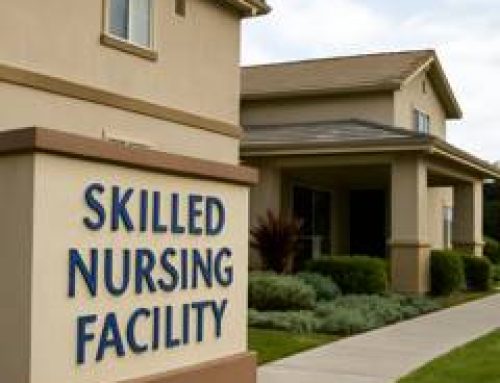
There’s a considerable amount of decisions to make when an elderly loved one needs the care of professionals. Making the decision to take them out of a home setting and into a facility is big enough, but questions such as how often they are going to need medical care, what sort of accommodations will they need, and most importantly, at which facility will they receive the best care possible, are all on the list. Placing a loved one in a nursing home, where they are at their most vulnerable, takes a lot of trust. With recent events surrounding inadequate care in these facilities, that trust has waned.
Targeting Nursing Homes and Veteran’s Facilities
In an annual report to Congress, released by the Department of Justice, over 700 defendants were accused of targeting older adults in nursing homes and veterans’ facilities. DOJ reclaimed close to $700 million, “disrupted major transactional schemes, and prosecuted cases involving substandard care…”
In one case, bad conditions that led to poor infection control exposed residents of a New Jersey veterans’ facility to life-threatening conditions. The exposure, along with bad management, resulted in high fatality rates at the facility.
In an effort to curb, or eliminate elder abuse, the report emphasized awareness and prevention. The Elder Justice Law Enforcement Summit was the first event where law enforcement from all 50 states gathered to share the best practices in addressing the issues of elder abuse. On a personal level, though, it seems much more daunting to tackle a loved ones’ inadequate care.
I Think My Loved One is a Victim. What Should I Do?
If you suspect your loved one is a victim of neglect, inadequate care, or abuse, you have the right to report it and take it to court. Signs to look for are unexplained bruises or cuts, sudden changes in their bank account, a dirty room or environment, lack of hygiene, and psychological signs such as social withdrawal, inactivity, or irritability. You know your loved one best and if you feel they are being mistreated, it’s time to gather evidence to build your case.
Putting together evidence to prove inadequate care or abuse in a nursing home is a delicate endeavor because your loved one may not be able to properly communicate what is happening to them. However, medical documents, such as records from a physician, may uncover a lot of information. Any written complaints you can collect, as well as photos of the abuse or conditions for your loved one are extremely helpful in proving your case. Getting information from other residents can also be helpful, and taking notes every time you visit is essential. Contacting Adult Protective Services in your state will help you move your loved one out of the abusive situation after you have gathered your evidence.

Document any injuries you find
Contacting an attorney may be in your best interest if you are looking to fight the facility and regain some of your family’s losses. They can help you gather your evidence, walk you through the legal process, or even take the case to court, if necessary.
Taking charge of your loved ones’ care involves many factors, and their safety should be the number one priority. If you suspect inadequate care or abuse, gather what you can and contact an attorney.
Los Angeles, Orange County, Riverside Elder Abuse Attorney
If you believe your loved one has suffered elder abuse or neglect, contact us now. We have compassionate, experienced advocates on your side who understand the complexities of elder care cases. We are dedicated to protecting the rights of seniors and ensuring their safety, dignity, and well-being. Our attorneys have a strong record of pursuing justice in elder abuse cases, bringing deep knowledge of California’s elder law protections and a tenacious approach to holding those responsible accountable. We work diligently to gather evidence, collaborate with medical experts, and build a compelling case to maximize the chances of securing the compensation and justice your family deserves. Trust us to handle your case with the respect, sensitivity, and determination it requires.